
What Is This Gathering Actually For?
Why most gatherings are designed around the table and never the reason; what six women and a string of beads did for a friend who was afraid of giving birth; and why the first question of designing any experience is not what to build but whose need it is meeting.
Amelie's birthday is next week. She is hosting a party.
Why?
To celebrate her and spend time with her loved ones. Obviously.
But a celebration of which her?
The one who needs to be surrounded by many people this year, or the one who needs five people from her inner circle at a small table and a proper conversation about life with no phone in sight?
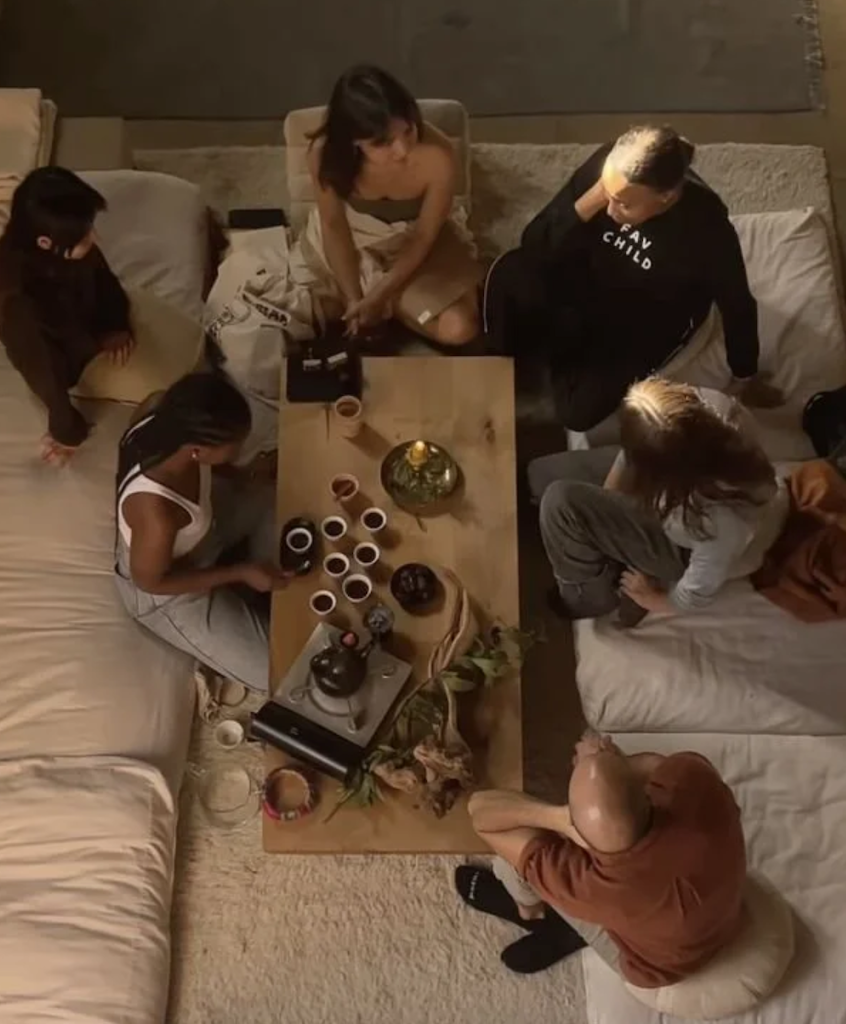
That single question rearranged something in my head, and I have spent days since replaying every event I have ever been to.
What you need at 50 isn't what you needed at 16. What I needed this year isn't what I needed last year, and last year I did the same gathering anyway.
Priya Parker, author of The Art of Gathering, would say I'd made the most common hosting mistake there is.
We pour ourselves into the external, the food, the table, the candles, and never touch the soul of the thing: why are these people being brought together in this space, at this time?
Not the surface answer. Not "they're my friends" or "it's networking."
She noted that, "The biggest mistake we make when we gather is assuming we already know the purpose, because it seems obvious and shared."
To be clear, the traditional way is fine. A party can be people enjoying shared presence, making a few memories and leaving. Nobody has to rationalise everything. But I'm curious what happens if we stop assuming. Are you hosting a birthday? I know there will be cake, music, dancing. I don't want to take the script for granted anymore.
Each one shouldn't have to be the same, unless that's what you actually want.
That single question rearranged something in my head, and I have spent days since replaying every event I have ever been to.
What you need at 50 isn't what you needed at 16. What I needed this year isn't what I needed last year, and last year I did the same gathering anyway.
Priya Parker, author of The Art of Gathering, would say I'd made the most common hosting mistake there is. We pour ourselves into the external, the food, the table, the candles, and never touch the soul of the thing: why are these people being brought together in this space, at this time?
Not the surface answer. Not "they're my friends" or "it's networking."
She noted that, "The biggest mistake we make when we gather is assuming we already know the purpose, because it seems obvious and shared."
To be clear, the traditional way is fine. A party can be people enjoying shared presence, making a few memories and leaving. Nobody has to rationalise everything. But I'm curious what happens if we stop assuming. Are you hosting a birthday? I know there will be cake, music, dancing. I don't want to take the script for granted anymore. Each one shouldn't have to be the same, unless that's what you actually want.
Current working thesis on this matter.
Maybe the party isn’t the point. The point is to bring people together to meet a need.
Not just “why are we doing this?” but “what is the need here?”
Six women, one necklace, and a room nobody remembers the cake in.
A story Priya Parker tells still scratches at my brain.
A mother-to-be, let’s call her Amira, paused and asked herself, “What is the purpose of a baby shower?” Not as a formality, but as a real question because who is it actually for, if not herself?
Then she asked the even harder, inward one:
“What is my need at this moment?”
She was scared of labour. She told her friends, and they built the gathering around that.
Six women gathered, and the fear got quieter.
What did Amira’s baby shower look like?
Her friends took turns sharing stories from her life that showed the qualities she already carries - bravery and resilience - and as each story was told, they tied a bead into a necklace. She wore it in the delivery room for support and as a reminder of who she is.
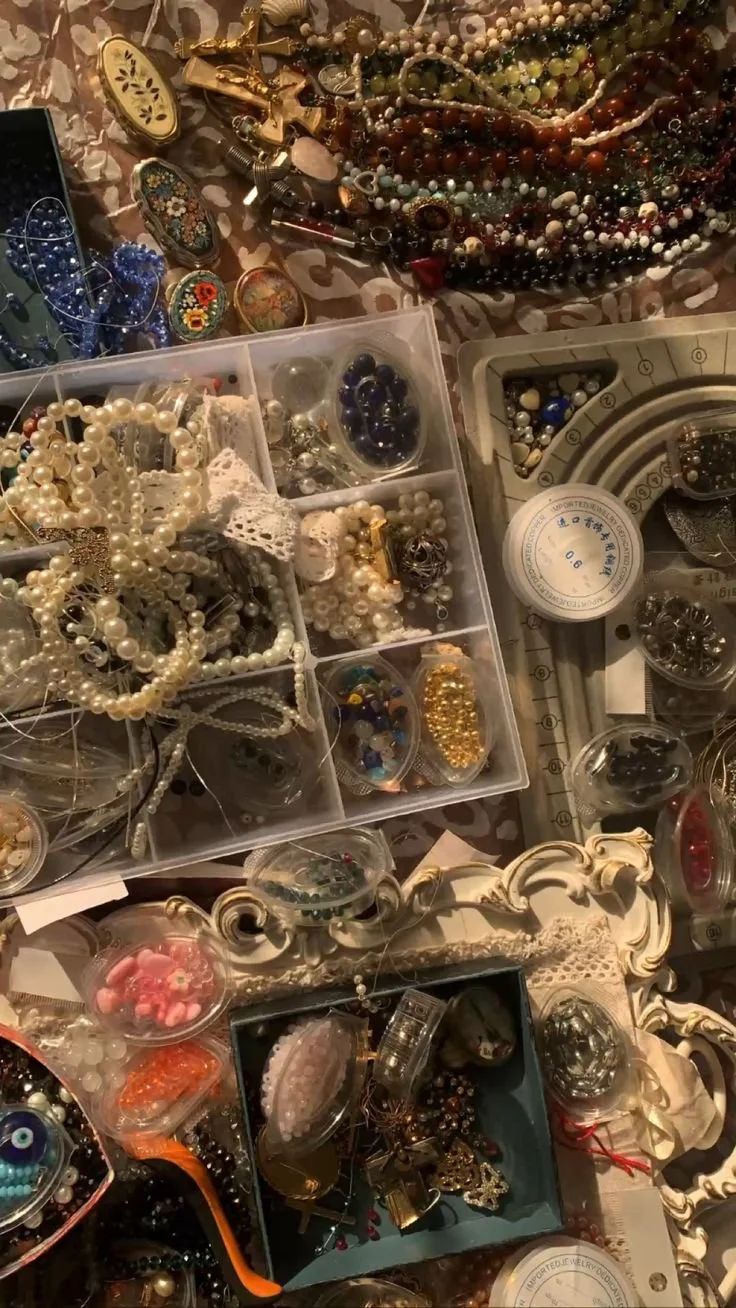
Nobody remembers the cake at that shower, or whether the napkins matched. Six women handed a frightened friend the evidence of who she is, and she took it into the room where she needed it most.
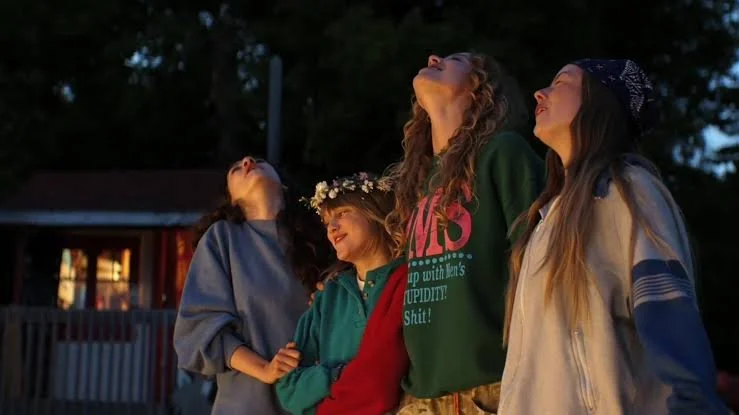
It reminded me of a scene in Sterling Point, when Maple gets her first period and her older sister Oona and her friends throw her a ceremony around the campfire.
They weave her a flower crown, dance, howl at the sky, and then, one by one, tell her their own period stories, unembarrassed, with nothing hidden. Maple walks in as a nervous kid and leaves feeling like she's been let into something.
Like Amira's friends, they didn't plan a party; they hoped it would land. They named the moment and built a ritual around it.
In both stories, the givers got something back too.
By naming what they had witnessed in Amira over the years, they were also sharing the depth of their history. The ritual turned friendship into something far more, a record of all the ways they had seen each other.
All six women left the baby shower not only more connected to Amira, but more deeply bonded to each other.
This is the type of intentional atmosphere I would like to create in my own experience designing projects across disciplines, for example, from a festival to a hotel. But not every gathering is about one person.
A baby shower is. A birthday is. Most rooms aren’t, and Parker is clear about that too.
Her point is that the need belongs to the gathering, not the host. The host’s job is to work out what the people in the room need from being together and then build for it - she calls it “generous authority.” Impose, yes, but for them.
The architecture firm from my blog post, Polite Hosts Are The Worst, is the example. Nobody hosting that afternoon needed a “cage match.” The room full of people swallowing their opinions did. The host noticed and built it.
Same two questions. Sometimes the need is yours, sometimes it is theirs. Either way, someone has to say it.
It all goes back to the why and the need.
Notes for the next event I host.
Artemis,
Write the need before anything else. One sentence. If it isn’t clear, close your notebook and go on a long walk.
Say the need out loud to the guests. Amira said she was frightened and got a necklace she cherishes. Silence would have just gotten her a cake and some unpersonalised gifts.
Ask whose need it is. If the room is about you, own it. If it isn’t, find out what they need before you decide anything about candles.
Things I haven’t worked out yet.
What does a creative director really do?
When a brand launch has no real need behind it beyond “awareness,” how do designers give the event a soul anyway?
How can creative ideas be presented in a way that resonates with analytical thinkers in the business world?
